The Pre-Season Habits That Make Hunting Days Run More Smoothly: A Checklist for Better Decisions
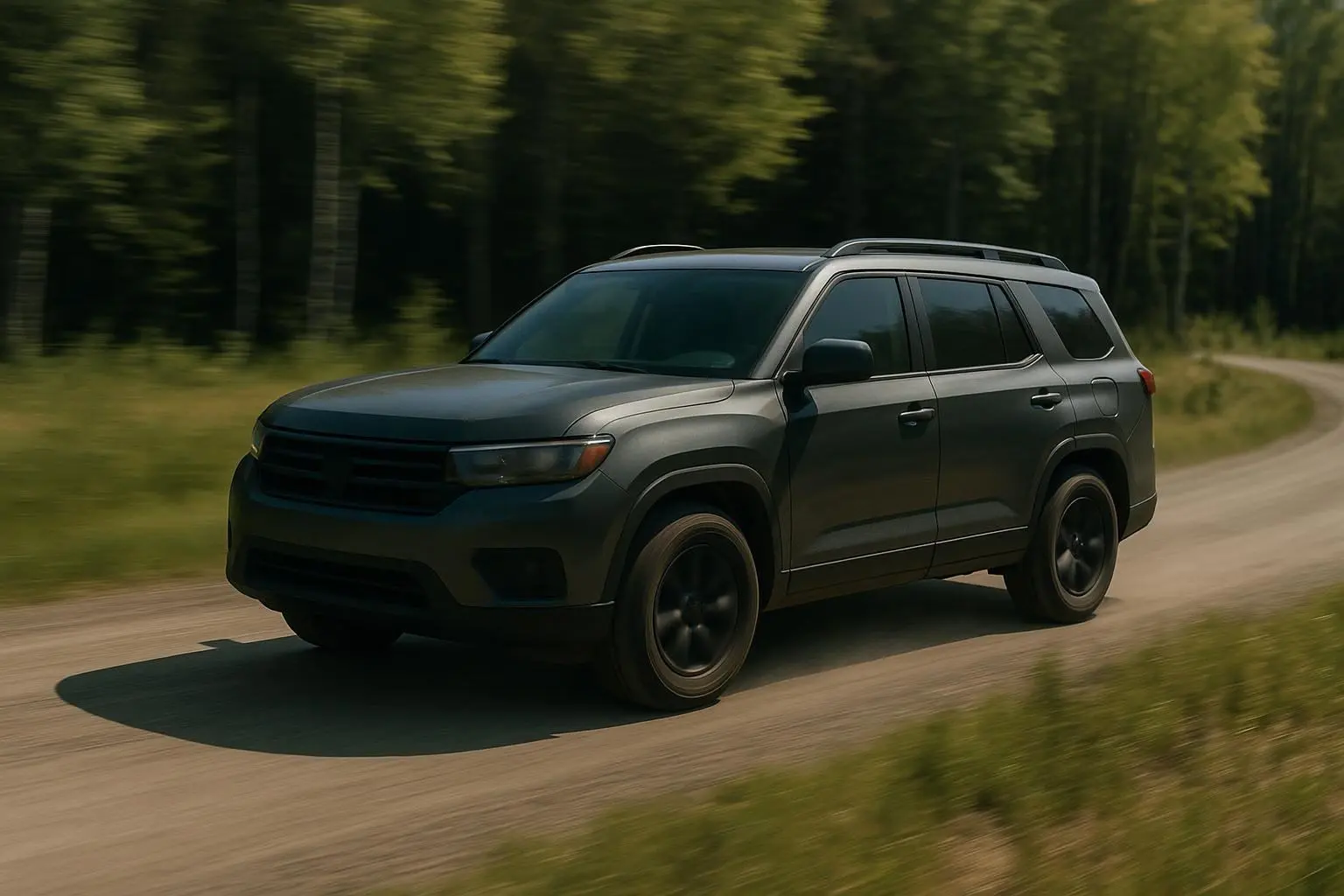
An overlooked part of hunting preparation is confirming how you will get to and from the ground before the season starts. Check access permission, parking points, boundary lines, gates, and offline map coverage while there is still time to correct a mistake. That small exercise prevents rushed choices, trespass problems, and late returns caused by a dead phone or blocked route. A useful pre-season hunting checklist should do more than count equipment. It should reduce uncertainty, clarify limits, and leave room to make an ethical decision when conditions change.
Verify access before you plan a sit
Land access is not a detail to solve at dawn. Recheck permission with the landowner or manager, especially if the arrangement was informal or the property has changed hands. Public-land rules can also vary by unit, season, species, method, and access area. Mark boundaries on a paper map as well as a downloaded digital map; phone screens and batteries are unreliable planning tools by themselves.
Walk or review the route in daylight if possible. Look for new fences, active farm work, locked gates, posted areas, trail closures, and places where another user may reasonably be present. Do not assume last season's parking spot, trail, or permission remains valid.
Leave a simple plan with someone who is not in the field: destination, expected return, vehicle description, and what to do if you miss a check-in. It is not dramatic preparation. It is a practical response to poor signal, changing weather, and small delays that become larger after dark.
Read the rules close to the season
Regulations are part of the equipment. Confirm the current season dates, legal hours, licensing requirements, tags, permitted methods, reporting duties, blaze or visibility requirements, and any restrictions on bait, transport, access, or species identification. Requirements may change, so use current official guidance from the responsible wildlife agency rather than an old printed summary, memory, or a social media post.
Write down the rules most likely to affect a decision in the field. That may include a boundary between units, a weapon restriction, a tagging step, or a requirement to identify the target beyond reasonable doubt. Keep permits and identification where they are protected from weather but available for inspection.
If a rule is unclear, pause the plan and ask the agency before going out. Guessing is not a form of confidence. It can create a legal problem and undermine the conservation system that supports future seasons.
Inspect equipment by using it, not admiring it
A gear inspection should reveal failure before the field does. Check clothing for damaged seams, missing closures, and noisy materials. Examine boots for separated soles, worn tread, and leaks. Test headlamps with fresh batteries, then carry a backup light. Charge navigation devices and save maps for offline use, but keep a compass and know how to use it.
Inspect packs, straps, knives, calls, optics, water containers, and first-aid supplies. Replace cracked plastic, swollen batteries, flattened insulation, and anything that only works when handled gently. Run a short practice loadout at home. If the pack feels unbalanced, a buckle is difficult to reach, or an essential item is buried beneath optional gear, fix that arrangement before the season.
For firearms or bows, follow the manufacturer's safety guidance and applicable law. Check for obvious damage and arrange qualified maintenance when something is questionable. Do not improvise modifications or treat a familiar tool as automatically safe. Keep firearms unloaded during transport and storage as required, and maintain strict muzzle and target awareness whenever they are handled.
Set decision rules before pressure arrives
Ethical hunting depends on decisions made before excitement narrows attention. Define the conditions under which you will not take a shot or attempt a harvest: uncertain identification, poor visibility, an unsafe direction, an unsuitable range for your ability, an obstructed target, or an angle that may make recovery unlikely. The exact limits are personal and should be conservative.
Plan what happens after a hit. Carry the tools and clothing needed for a careful recovery, know the local reporting and tagging steps, and allow enough time to track or retrieve an animal without rushing. If the evidence is unclear, mark the last known location, search methodically, and seek appropriate help rather than abandoning the effort or assuming the outcome.
A short pre-season rehearsal can expose weak points. Review species identification, safe handling, field dressing needs, weather decisions, and how you will communicate if plans change. This is not about predicting every event. It is about making the right choice easier when fatigue, cold, darkness, or disappointment enters the equation.
Use the checklist to protect habitat, too
Preparation affects more than the person carrying the pack. Clean mud and plant material from boots, tires, and equipment before moving between areas when practical. Follow access restrictions around wetlands, crops, nesting areas, restoration plots, and other sensitive ground. Pack out every piece of tape, food packaging, and disposable material brought into the field.
Keep vehicle routes and staging areas to established surfaces where possible. Avoid widening trails, cutting vegetation for concealment, or disturbing cover simply to improve one setup. A small shortcut can damage soil and plants long after the season ends.
Use this single final check before departure:
- Access is confirmed, boundaries are understood, and a route plan is shared.
- Current regulations, permits, tags, and reporting requirements are checked.
- Clothing, footwear, lighting, navigation, first aid, and food or water are serviceable.
- The primary tool is inspected safely, and any questionable defect has been addressed.
- Target identification, shot or harvest limits, recovery plans, and return time are clear.
- Weather, habitat sensitivity, waste, and vehicle impact have been considered.
The best preparation may end with a decision not to go. Forecasts can turn unsafe, access can change, equipment can fail, or the conditions may not support a clean and responsible opportunity. Walking away protects people, wildlife, habitat, and the reputation of hunting as a conservation practice. That is not a missed chance. It is sound field judgment.
Read More